Unlock Fresh Blanched Almonds: Easy & Cost-Efficient DIY
Have you ever found yourself eyeing a bag of blanched almonds at the grocery store, wondering if there was an easier, more economical way to get these versatile nuts? You’re not alone! Many home cooks assume that removing almond skins is a complicated, time-consuming task best left to commercial processors. However, we're here to shatter that misconception and show you
how to blanch almonds in five minutes, transforming a seemingly daunting kitchen chore into a simple, rapid, and incredibly rewarding DIY project.
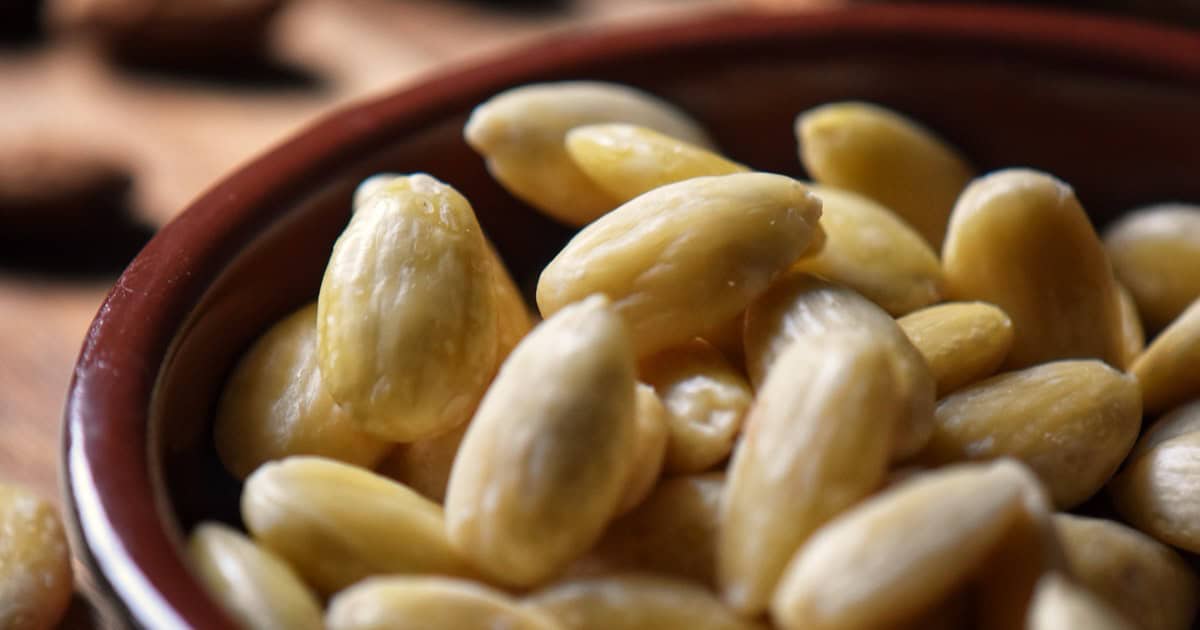
Blanched almonds are simply almonds that have had their outer brown skin removed, revealing the smooth, creamy-white nut beneath. This process not only changes their aesthetic but also impacts their texture and flavor profile, making them ideal for a vast array of culinary applications. From creating silky-smooth almond flour for gluten-free baking to adding a refined crunch to your favorite dishes or enjoying them as a standalone snack, blanched almonds are a kitchen staple. And the best part? Achieving them at home is not only achievable but surprisingly swift, often taking less time than a quick trip to the store.
Why Blanch Almonds at Home? The Benefits You Can't Ignore
While store-bought blanched almonds offer convenience, taking a few minutes to blanch them yourself unlocks a world of benefits that convenience alone can't match.
*
Cost-Efficiency: Raw, unblanched almonds are significantly cheaper than their pre-blanched counterparts. Learning
how to blanch almonds in five minutes means you can enjoy premium quality nuts at a fraction of the cost, making your culinary endeavors more budget-friendly. This saving adds up, especially if you use blanched almonds frequently for baking or making homemade almond flour.
*
Unmatched Freshness and Flavor: When you blanch almonds yourself, you're working with the freshest possible ingredients. This translates to a superior taste and texture in your final dishes. The natural oils in almonds can go rancid over time, and blanching them fresh ensures you're getting the optimal flavor profile.
*
Complete Control Over Quality: You choose the raw almonds, ensuring they are unsalted and unroasted – the perfect candidates for blanching. You control the process from start to finish, guaranteeing a product free from any unwanted additives or preservatives often found in packaged goods.
*
Versatility in Your Kitchen: Freshly blanched almonds open up a myriad of possibilities. They're perfect for:
*
Baking: Essential for delicate pastries like French macarons, light cakes, tarts, and cookies.
*
Snacking: Enjoy them plain, roasted, or spiced.
*
Garnishes: Their elegant appearance makes them ideal for topping salads, desserts, and savory dishes.
*
Homemade Almond Products: The foundation for creamy almond milk, rich almond butter, and, of course, gluten-free almond flour.
The Myth Debunked: How to Blanch Almonds in Five Minutes – Easier Than You Think!
The idea of removing almond skins can seem intimidating. Unlike peanuts or chickpeas, almond skins don't simply rub off. This often leads people to believe it's a labor-intensive, complex process. However, this couldn’t be further from the truth. The secret lies in a quick dip in boiling water, which causes the skins to loosen effortlessly.
Many of us, myself included, have conjured up images of painstakingly peeling each almond individually. But the reality is a surprisingly simple technique that harnesses the power of temperature change to do most of the work for you. It’s incredibly handy and incredibly fast, earning its reputation as a "five-minute" method. This simple method is outlined in detail in our comprehensive guide:
Blanch Almonds in 5 Minutes: The Super Simple Home Guide.
Your Step-by-Step Guide to Perfectly Blanched Almonds
Ready to discover just how simple it is? Here’s everything you'll need and the straightforward steps to achieve perfectly blanched almonds in a flash.
What You'll Need:
*
Raw, Unsalted Almonds: Crucial for successful blanching. Roasted or salted almonds will not blanch properly.
*
Water: For boiling and rinsing.
*
A Medium Pot: Large enough to comfortably hold your almonds and water.
*
A Colander or Fine-Mesh Strainer: For draining the almonds.
*
A Clean Kitchen Tea Towel or Paper Towels: For drying the blanched almonds and assisting with skin removal.
*
An Ice Bath (Optional but Recommended): A bowl of ice water to quickly stop the cooking process and make skin removal even easier.
The Rapid 4-Step Process:
1.
Boil Water in a Small Pot: Fill your pot with enough water to fully submerge your desired quantity of almonds. Bring the water to a rolling boil over high heat. The exact amount of water isn't critical, as long as the almonds can be covered.
2.
Add Almonds and Heat for 1 Minute: Carefully add the raw almonds to the vigorously boiling water. Allow them to boil for exactly
60 seconds. Resist the urge to let them cook longer, as this can start to cook the nuts themselves, potentially altering their texture. This brief exposure to heat is sufficient to loosen the skins without affecting the almond kernel.
3.
Remove from Heat, Drain, and Rinse with Cold Water: Immediately after one minute, remove the pot from the heat. Carefully drain the hot water using your colander or strainer. Then, rinse the almonds thoroughly under cold running water, or plunge them into an ice bath if you prepared one. This crucial step stops the cooking process and makes the almonds cool enough to handle, further aiding in skin removal.
4.
Remove the Skins: This is the most satisfying part! Once cooled, the skins will have softened and become loose. You can remove them in a few ways:
*
Individual Squeeze: Pick up each almond and gently squeeze it between your thumb and forefinger. The almond should pop right out of its skin.
*
Towel Method: For larger batches, place the cooled almonds on a clean kitchen towel. Fold the towel over them and gently rub and roll the almonds. The friction will help many of the skins detach. You might need to pick out a few stubborn ones manually.
After the skins are removed, spread your blanched almonds on a clean tea towel or baking sheet to air dry completely. Ensuring they are thoroughly dry is important, especially if you plan to store them or grind them into flour.
Beyond the Basics: Creative Uses for Your Freshly Blanched Almonds
Once you master this simple technique, a world of culinary possibilities opens up.
*
Homemade Almond Flour: This is arguably one of the most popular reasons to blanch almonds at home. Simply allow your blanched and thoroughly dried almonds to cool completely, then pulse them in a food processor until a fine, flour-like consistency is achieved. Be careful not to over-process, or you'll end up with almond butter! Homemade almond flour is superior in freshness and often more finely ground than store-bought varieties, making it perfect for delicate baked goods like macarons, gluten-free cakes, and cookies. Discover more about this application in our related article:
Minute Almond Blanching: Perfect for Baking & Flour.
*
Gourmet Snacking: Lightly toast your blanched almonds in a dry pan or oven until golden for a delightful, wholesome snack. You can season them with a pinch of sea salt, cinnamon, or even a touch of chili powder for an exciting twist.
*
Elegant Garnishes: Chop, slice, or sliver your blanched almonds to add a refined touch to salads, stir-fries, yogurt parfaits, or fruit salads. Their clean appearance makes them visually appealing.
*
Homemade Almond Milk and Butter: Blanched almonds yield a creamier, smoother almond milk and a lighter-colored, less gritty almond butter, as the skins can sometimes add a slightly bitter note and coarser texture.
*
Marzipan and Confections: For those who love making homemade candies or marzipan, blanched almonds are an absolute must. They provide the perfect base for these sweet, pliable treats.
Troubleshooting & Expert Tips for Success
Even though learning
how to blanch almonds in five minutes is straightforward, a few tips can ensure your success every time:
*
Don't Overcrowd the Pot: If blanching a large batch, consider working in smaller portions to ensure the water maintains its boil and the almonds cook evenly.
*
The Importance of Raw Almonds: Again, emphasize this! Roasted almonds won't blanch effectively, and salted ones will infuse the salt into the nut, which might not be desirable.
*
Dry Thoroughly: Whether you plan to store them or use them immediately, ensure your blanched almonds are completely dry. Moisture can lead to spoilage or affect the texture of your baked goods or flour. Spread them in a single layer on a baking sheet and allow them to air dry for several hours, or even overnight. For faster drying, you can gently pat them with a towel or use a very low oven (around 150°F / 65°C) for 15-20 minutes, stirring occasionally, just until completely dry, not toasted.
*
Storage: Once blanched and completely dry, store blanched almonds in an airtight container in a cool, dark place for up to a few weeks. For longer storage, keep them in the refrigerator for a few months or freeze them for up to a year. This helps preserve their freshness and prevents them from going rancid.
*
Batch Processing for Efficiency: If you frequently use blanched almonds, consider blanching a larger batch once a month and storing them. This upfront effort will save you time in the long run.
Conclusion
Gone are the days of paying a premium for pre-blanched almonds or shying away from recipes that call for them. By embracing this simple, four-step method, you've unlocked the secret to
how to blanch almonds in five minutes, giving you access to fresh, cost-effective, and incredibly versatile blanched almonds whenever you need them. It's a fundamental kitchen skill that elevates your cooking and baking, proving that some of the most impressive culinary feats begin with the simplest techniques. So, grab your raw almonds and get ready to transform your kitchen experience – you'll wonder why you didn't start sooner!